
According to data released by the International Aluminium Institute (IAI) on April 20, 2026, global primary aluminum production reached 6.302 million metric tons in March. China remained the leading producer, with an estimated output of 3.795 million tons, accounting for approximately 60% of the world’s total production. Output in Europe (including Russia) stood at 622,000 tons, while the Gulf region produced 495,000 tons, and North America contributed 334,000 tons during the same period.
This latest data underscores the continued concentration of aluminum smelting capacity in China, reinforcing its pivotal role in the global supply chain. With China’s output steadily exceeding the combined production of Europe and North America, international buyers remain heavily reliant on Chinese origin primary aluminum and semi-fabricated products. However, regional production hubs in the Gulf and elsewhere continue to provide strategic alternatives for diversification, especially amid ongoing trade policy adjustments and carbon footprint considerations.
For downstream industries, including automotive, aerospace, construction, and electronics, stable primary aluminum supply is only the first step. The real value is created in the subsequent stages: alloying, casting, rolling, extruding, and precision machining that transform raw aluminum into high performance components. As industries increasingly demand lighter, stronger, and more thermally efficient materials, the ability to source reliably and work with technically proficient processors becomes a competitive necessity.
From Smelter to Solution: The Critical Role of Specialized Processing
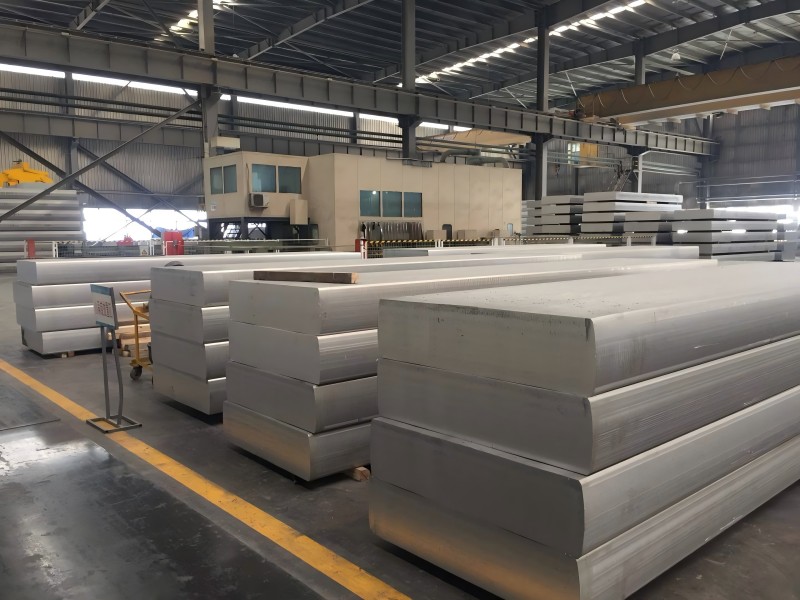
While global production figures provide a macro view of material availability, they do not address the specific needs of manufacturers requiring tailored aluminum products. This is where specialized suppliers add decisive value. Capabilities such as precision cutting, CNC machining, heat treatment, and surface finishing determine whether aluminum plate, rod, or tube meets exacting engineering standards for applications like machinery frames, heat sinks, structural components, and fluid systems.
Our operation is built to bridge this gap. We source primary aluminum from trusted suppliers, including low-carbon options where required, and focus on converting it into ready-to-use products. With in-house expertise in alloy selection, fabrication, and quality control, we help clients navigate the complexities of global supply while ensuring consistency, traceability, and technical support from design to delivery.
In a market shaped by concentrated production and dispersed demand, partnering with a responsive and capable processor is more than a procurement decision, it’s a strategic move toward supply chain resilience and product innovation.
If your operations depend on high quality aluminum plate, bar, tube, or precision-machined parts, contact us to discuss how a tailored supply and processing partnership can support your production goals in 2026 and beyond.
Post time: Apr-27-2026