
While the market is still debating whether aluminum prices will rise or fall for the 320000 ton inventory chassis, another engine has quietly ignited computing power. The cooling system of AI data centers and the orbital load of low orbit computing constellations are redefining aluminum from traditional building materials and packaging metals as the core carrier of “computing metal”. This is not a concept hype, but a visible order migration: on September 21st, aluminum alloy spot prices rose by 200 yuan, A356.2 was reported at 24400 yuan/ton, ADC12 was reported at 24000 yuan/ton. This price increase signal from downstream points more directly to a fact than any macro expectation the demand map for aluminum is being reconstructed by computing power.
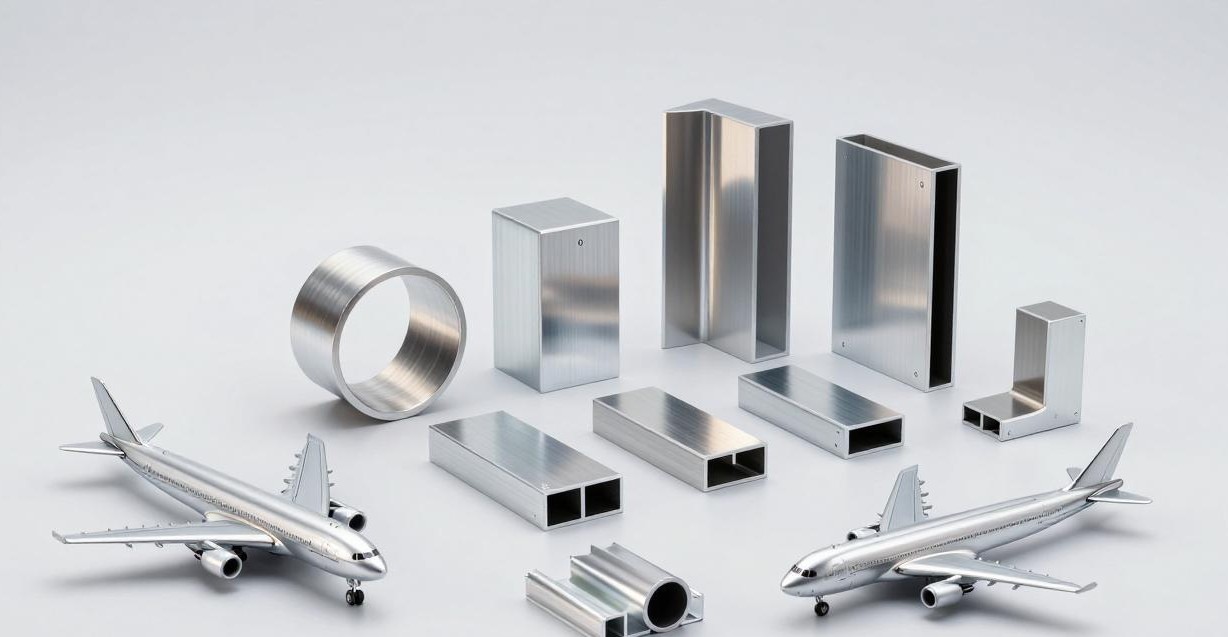
The impact of computing power on aluminum is extremely specific. The air-cooled oil-free magnetic levitation turbine chiller launched by LG Electronics focuses on AI machine room cooling scenarios. The core is to use electromagnetic force to suspend the rotating shaft, with zero mechanical friction, saving oil lines and avoiding oil film dragging down heat transfer efficiency. The shell, pipeline, and heat dissipation structure of such high-efficiency heat exchange equipment use a large amount of aluminum and aluminum alloy.
At the same time, on the noon of September 20th, the Lijian-1 Y18 carrier rocket launched the “Super Intelligent Computing 1″ into its designated orbit. On the surface, it appeared to be an additional commercial space satellite, but in reality, it expanded the boundaries of the computing power network from the ground computer room to the low orbit constellation, and the demand for aluminum materials for satellite structural components, heat dissipation plates, and lightweight frames overflowed accordingly. Two clues overlap, and the consumption anchor of aluminum is shifting from real estate infrastructure to AI and aerospace.
The evidence of downstream prosperity is not limited to this: the lightweight of automobiles, photovoltaic frames, and energy storage shells maintain rigidity in the production of cast aluminum alloys, and A00 aluminum spot prices are reported at 24380 yuan/ton, up 200 yuan, echoing the general rise of aluminum alloys. The inventory of aluminum in the previous period decreased to 320954 tons, and 26729 tons were unloaded in a single week. The end of unloading is the steady delivery downstream. The latest price for the 2611 contract of Shanghai Aluminum was 24260 yuan/ton, a decrease of 125 yuan from yesterday.
Although the market was suppressed by the strong US dollar, the increase in demand provided differentiated support for the price. Lunan Aluminum’s closing price was $3300/ton, up $10, as overseas narratives on aluminum’s green and lightweight aspects are also strong. From a longer-term perspective, computing power and aerospace have continuity and rigidity in pulling aluminum, unlike the pulse like fluctuations in the real estate cycle, which may cause the demand center for aluminum to systematically shift upward under the dual narrative of digitization and lightweighting.
The story of computing power metal has just begun. When both the cold of AI computer rooms and the heat of commercial aerospace require aluminum to balance, the demand curve for aluminum adds an incremental pillar that is difficult to flatten with traditional cycles. Subsequent attention needs to be paid to the pace of data center construction, commercial space launch density, and whether aluminum alloy processing fees can turn downstream prosperity into profits for the smelting end – the speed of this new engine will determine the next level of aluminum prices.
Post time: Sep-24-2026