
IAI data shows daily production of 197,400 tonnes as smelter constraints drive supply tightness across downstream sheet, bar and tube markets.
Global primary aluminium production decreased 2.1% year-on-year in April 2026, totalling 5.922 million tonnes, the International Aluminium Institute (IAI) reported today. Average daily output slipped to 197,400 tonnes. Compared with April 2025’s 6.048 million tonnes, the decline underscores a widening supply demand gap that is reshaping procurement strategies for aluminium sheet, bar, tube and machining enterprises worldwide.
The April figure reflects a constrained smelter landscape. Persistent energy cost pressures in Europe continue to cap restarts, while in China the dominant producing nation hydropower availability in Yunnan has only partially recovered from last year’s drought driven cuts. “We are seeing global run rates hovering near 60 million tonnes per year, but pockets of underperformance persist,” said a market analyst. “These curtailments directly reduce the output of standard P1020 ingot and, consequently, the availability of rolling slab for aluminium sheets and plates and extrusion billet for bars and tubes.”
Downstream effects are materialising rapidly. Tighter billet supply has pushed spot extrusion premiums higher, squeezing fabricators of aluminium rods, bars and seamless tubes. Meanwhile, rolling mills producing aluminium sheet and plate face increased slab costs, lengthening lead times for automotive, aerospace and packaging customers. For businesses that add value through CNC machining turning raw aluminium bar, plate or tube into precision components, consistent material supply is non-negotiable. Any disruption forces rescheduling and raises working capital.
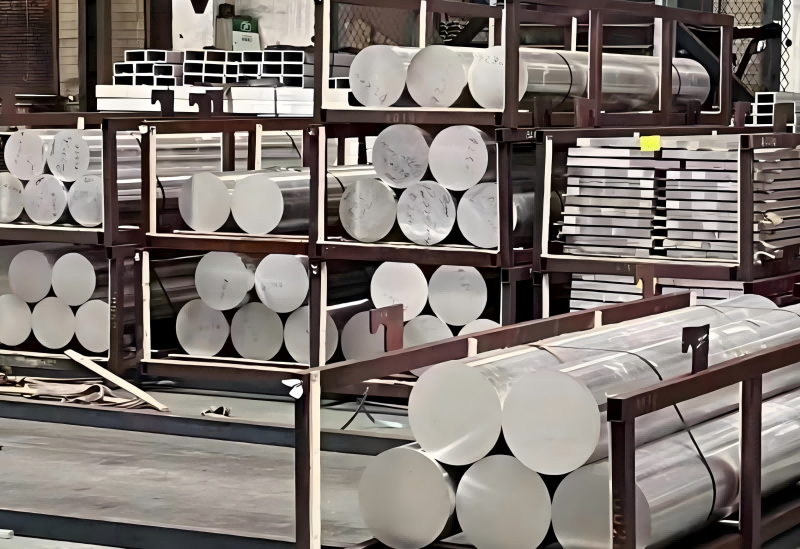
Our company, a Shanghai based specialist in aluminium plates, sheets, round and hex bars, drawn tubes and custom 3/4/5-axis CNC machining, has proactively managed these headwinds. Through multi-year billet and slab offtake agreements with Tier-1 smelters and a strategic buffer stock of high turnover alloys (e.g., 6061-T6, 7075-T6, 2024-T351), we ensure price stability and just-in-time delivery. “In the past quarter, we’ve converted many spot buyers to quarterly fixed price contracts,” said our Supply Chain Director. “It de-risks their project timelines, especially for high mix, low volume machined parts.” This integration of raw material sourcing and downstream processing exemplifies the resilience needed amid supply uncertainty.
The market awaits IAI’s regional breakdown for potential output rebounds in the Middle East and India. However, with LME aluminium prices above $2,400/t and logistics bottlenecks lingering, any near term surplus is likely to be absorbed quickly. For buyers of aluminium sheets, bars, tubes and machined assemblies, the current production data is a clear signal: strategic inventory planning and long-term supplier partnerships are no longer optional but essential.
We specialise in high quality aluminium plates, sheets, bars, tubes and precision CNC machining. With deep raw material insight and an integrated supply chain, we serve automotive, aerospace, marine and industrial equipment clients globally, helping them navigate aluminium market volatility with confidence.
Post time: May-27-2026