
While traditional automobile and real estate chains are still digesting weak expectations, new demand drivers have quietly climbed. On October 21st, the price of lithium-ion aluminum foil for 9 microns was reported at 36860 yuan/ton, 12 microns at 39360 yuan/ton, and 15 microns at 36860 yuan/ton, with a general increase of 80 yuan compared to the previous trading day; Casting aluminum alloy A356.2 East China 23950 yuan/ton, ADC12 East China 23610 yuan/ton synchronized with the rise. New energy lightweighting is pulling aluminum out of the real estate cycle and into the material lists of power batteries, energy storage systems, and low altitude aircraft. The switching of demand engines is happening faster than expected by the market. This switching is not a pulsating disturbance, but a trend increment brought about by the increase in permeability.
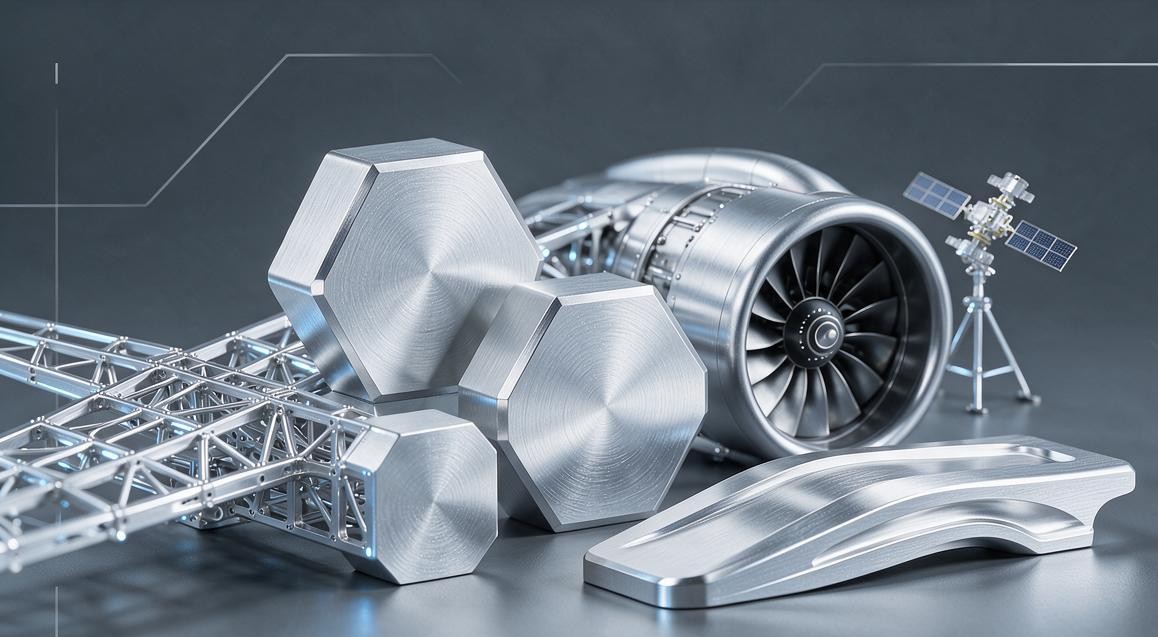
The green power direct connection paradigm is restructuring the cost base of aluminum. The 1.2 million ton ethylene project in Dushanzi is fully operational, with an annual consumption of 1 billion kilowatt hours of green electricity and a carbon reduction of 1.37 million tons. The average price of green aluminum is 23810 yuan/ton, supported by the low-carbon premium, and the marginal cost curve of electrolytic aluminum is gradually being lowered. On the demand side, aluminum foil for new energy vehicle batteries, aluminum for energy storage containers, and investment in the power grid form a stable support pattern. The low altitude economy conference has further catalyzed the structural increase of aluminum titanium materials, and the demand visibility for aviation grade aluminum alloys continues to rise.
Correspondingly, the stable quotations of 24550 yuan/ton for electrical round aluminum rods and 22350 yuan/ton for 6063 aluminum rods in South China reflect the resilience of processing orders. Downstream demand is not as pessimistic as the market, and structural demand highlights are offsetting the overall restraint. From a terminal perspective, the amount of aluminum used in new energy vehicles has significantly increased compared to fuel vehicles. The demand for aluminum structural components in energy storage power plants has also increased in sync with the increase in installed capacity. Although the certification cycle for high-strength aluminum alloys in aviation and unmanned aerial vehicles is long, the slope of orders has already started to rise.
The demand structure is quietly changing: new energy and low altitude economy are opening up incremental opportunities, while the visibility of orders in traditional fields is weak, and aluminum consumption is shifting from excessive dependence on real estate to diversified support. In the short term, low inventory and cost curve support prices, with Lunan Aluminum holding steady at $3000 and Shanghai Aluminum 2612 sawing around $23000.
However, the expectation of loose forward supply remains a variable hanging overhead. Whether the lightweighting of new energy can continue to hedge against weak expectations will become a touchstone for the resilience of aluminum prices in the subsequent stages. In the future, it is necessary to focus on the rhythm of lithium aluminum foil production and green aluminum cost transmission, and the true quality of the demand side will gradually be revealed in the production data. If the production capacity of lithium aluminum foil and cast aluminum alloy continues to be realized, the structural increase in aluminum demand will no longer be a narrative, but will become a new price anchor beyond inventory depletion.
Post time: Oct-23-2026