
On August 20th, the global aluminum supply chain received another critical warning signal. Renowned Japanese business giant Marubeni Corporation has released the latest port inventory data, highlighting the tense situation of overseas aluminum supply. The supply tightening effect caused by geopolitical conflicts continues to ferment, laying the foundation for a tight balance in the global aluminum market supply and demand pattern in the second half of the year.
Data shows that as of the end of July 2026, the total inventory of aluminum in the three core ports of Yokohama, Nagoya, and Osaka in Japan has dropped to 201000 tons, a decrease of 8.8% compared to the previous month. The inventory scale has hit a 16 year low since April 2010, only slightly higher than the historical low of 190500 tons in April 2010. As the core hub for the import, turnover, and distribution of aluminum ingots in Japan, the three major ports’ inventory continues to decline, which intuitively reflects the continuous tightening of aluminum ingot supply in the Japanese market.
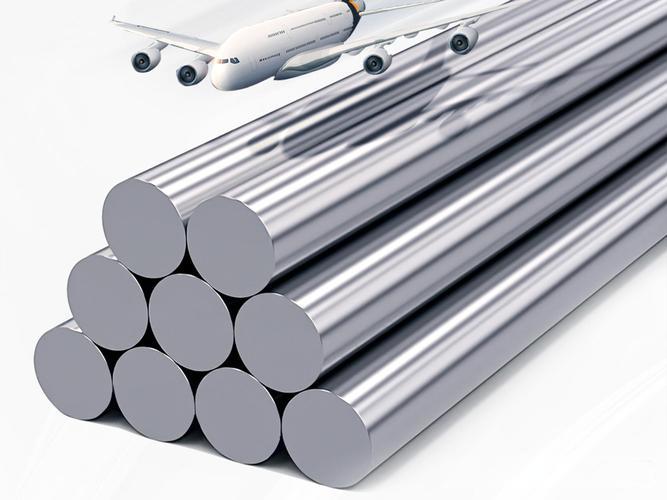
The senior management of Marubeni Corporation interpreted the core cause of inventory changes, stating that Japan’s aluminum inventory has significantly fallen in this round, mainly due to the ongoing geopolitical conflicts in the Middle East. In recent months, due to multiple factors such as the turbulent situation, shipping disruptions, and restricted smelting production, the quantity of aluminum ingots imported by Japan from the Middle East has continued to sharply decrease, and the port arrival volume has significantly shrunk, directly driving the continuous depletion of inventory and setting a new low in the stage.
It is worth noting that the Middle East is the core production area of electrolytic aluminum in the world, with aluminum smelting capacity accounting for 9% of the global total capacity, occupying a pivotal position in the global aluminum supply system. The multiple obstacles to the export, production, and transportation of aluminum ingots caused by the current geopolitical conflict in the Middle East are not regional short-term disturbances, but supply disadvantages with global transmission effects. Industry insiders predict that the continuous interruption of aluminum supply in the Middle East will directly lead to a significant supply shortage in the global aluminum market by 2026, breaking the relatively balanced supply-demand pattern in the early stage.
From a market logic perspective, Japan is highly dependent on imported aluminum resources from overseas, and the Middle East is an important source of its imports. The contraction of supply directly leads to the continuous thinning of domestic inventory safety pads. Under the current ultra-low inventory level, the risk resistance ability of the Japanese aluminum market has significantly decreased. Once the supply from the Middle East is difficult to quickly repair in the future, it may cause a shortage of aluminum spot prices and strengthen quotations in the region, which will then be transmitted to the global market through international trade channels.
Overall, the supply side risks of the global aluminum market continue to rise, with the dual signals of Middle Eastern production capacity disturbance and new low port inventory in Japan, highlighting the shortage of overseas aluminum resources. The follow-up market needs to focus on tracking the progress of the Middle East geopolitical situation repair, the restart of aluminum smelting capacity, and the pace of international aluminum ingot circulation. Global aluminum prices will also continue to be supported by the expectation of supply shortages, and the volatility is expected to further increase.
Post time: Aug-21-2026