
On March 4, 2026, according to foreign media reports, global mining giant Rio Tinto is seriously considering restarting its idle electrolytic aluminum production capacity at its Te Wai Point aluminum smelter near Bluff, New Zealand – the No. 4 electrolytic series. The core benefit of this restart plan is the recent continuous surge in international aluminum prices, which has significantly improved the economic feasibility of the project.
It is reported that international aluminum prices have been performing strongly recently, successfully surpassing the $3,000 per ton mark and currently hovering near the historical high of $3,148, marking a 24% increase since the end of March this year. Behind this surge in prices are factors such as the expected widening of the global supply-demand gap for electrolytic aluminum and the tightening of supply due to the shutdown of some aluminum plants, which have further pushed up the valuation of aluminum prices and made previously idled production capacity due to cost issues worth restarting. It is worth noting that the London Metal Exchange’s aluminum price reached a high of $3,254 per ton during trading on March 4, with an intraday increase of over 3.8%, setting a recent new high. Market attention to the subsequent trend of aluminum prices continues to rise.
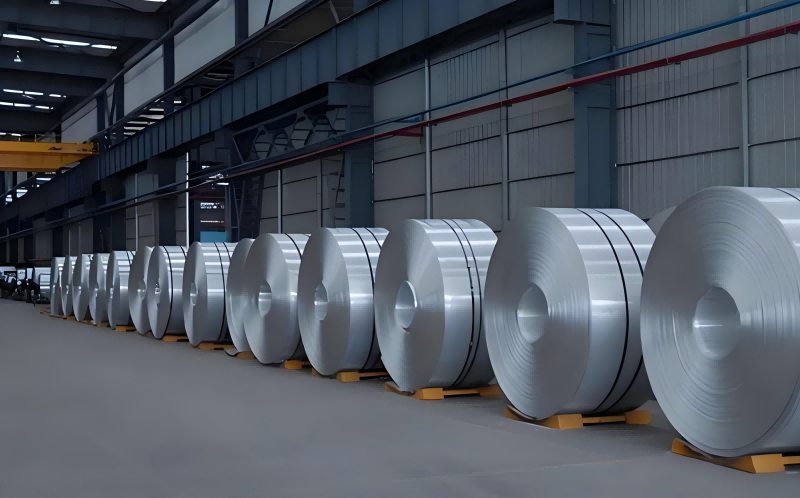
Public information shows that the No. 4 electrolysis series of the Te Wai Point aluminium smelter was forced to suspend production at the beginning of the COVID-19 outbreak in 2020 and has been idle ever since. As an important aluminium production base of Rio Tinto in New Zealand, the smelter relies heavily on power supply, and power costs are also a key factor affecting its capacity restart. As early as 2024, Rio Tinto had initiated preliminary preparations and began soliciting cooperation proposals from power suppliers interested in supporting its restart plan, laying the groundwork for capacity restart. Prior to this, the smelter had reached long-term cooperation agreements with multiple power suppliers, providing basic guarantees for production and operation.
Regarding the specific progress of this production capacity restart, a Rio Tinto spokesperson clearly stated that the final decision on the restart has not yet been made, but negotiations with potential power suppliers are steadily progressing, and relevant preparatory work is also being carried out in an orderly manner. Industry insiders analyze that if the No. 4 electrolysis series is successfully restarted, it will effectively alleviate the tight global supply of electrolytic aluminum, and at the same time, it will also help Rio Tinto seize the current market opportunities of high aluminum prices and enhance the company’s profitability.
From the perspective of the overall market environment, the global aluminum market has seen a strong upward trend since the beginning of 2026. The LME three-month aluminum price has reached a peak of $3,295.5 per ton, marking the highest level since April 2022. The rise in aluminum prices is attributed to the combined effects of multiple factors, including the reassessment of resource scarcity, the reconstruction of energy costs, and geopolitical risk premiums. Goldman Sachs’ research report predicts that the average price of London metal exchange (LME) aluminum in the first half of 2026 will be around $3,150 per ton. If supply disruptions persist, aluminum prices may even rise to $3,600 per ton in stages, which will provide a favorable market environment for Rio Tinto to restart its idle production capacity.
Post time: Mar-04-2026