
On March 10, 2026, news emerged that aluminum inventories at the London Metal Exchange (LME) have continued to deplete rapidly. Specifically, since January this year, aluminum inventories at the LME warehouse in Port Klang, Malaysia, have been steadily released at a rate of 2,000 tons per day, becoming a core indicator of changes in the global aluminum inventory landscape. Behind this data lies a six-year continuous contraction in LME aluminum inventories, as well as an implicit shortage of actual available inventories for Western buyers. Coupled with the impact of geopolitical sanctions and supply chain restructuring, the tight balance of the global aluminum market has further intensified.
Data shows that the “exhaustive” decline in LME aluminum stocks is a foregone conclusion. At the beginning of 2020, LME aluminum stocks were still as high as 3 million tons, but by the end of February 2026, the total registered and non-registered stocks had dwindled to only 583,000 tons, setting a record low since LME began publishing non-registered stock data in 2020. Although the price signal function of LME aluminum stocks has been significantly weakened over the past decade due to the influence of trading operations in traders’ and banks’ warehouses, the current historically low total stock volume still intuitively reflects the tight supply and demand situation in the global aluminum spot market.
Judging from the recent inventory movements, the continuous outflow from Port Klang is particularly crucial. As the core storage node of the LME in Southeast Asia, this warehouse’s daily outflow of 2,000 tons continues to deplete the global apparent inventory. The latest market data shows that as of March 9, the registered aluminum inventory of the LME has dropped to 454,600 tons, with a daily decrease of 2,250 tons, continuing the accelerated destocking trend since the beginning of the year. Industry insiders point out that the continuous outflow from Port Klang reflects both the rigid demand release from downstream industries such as new energy and high-end manufacturing in Asia, and the stock-up behavior of traders against the backdrop of low inventory, further pushing up the tension in the spot market.
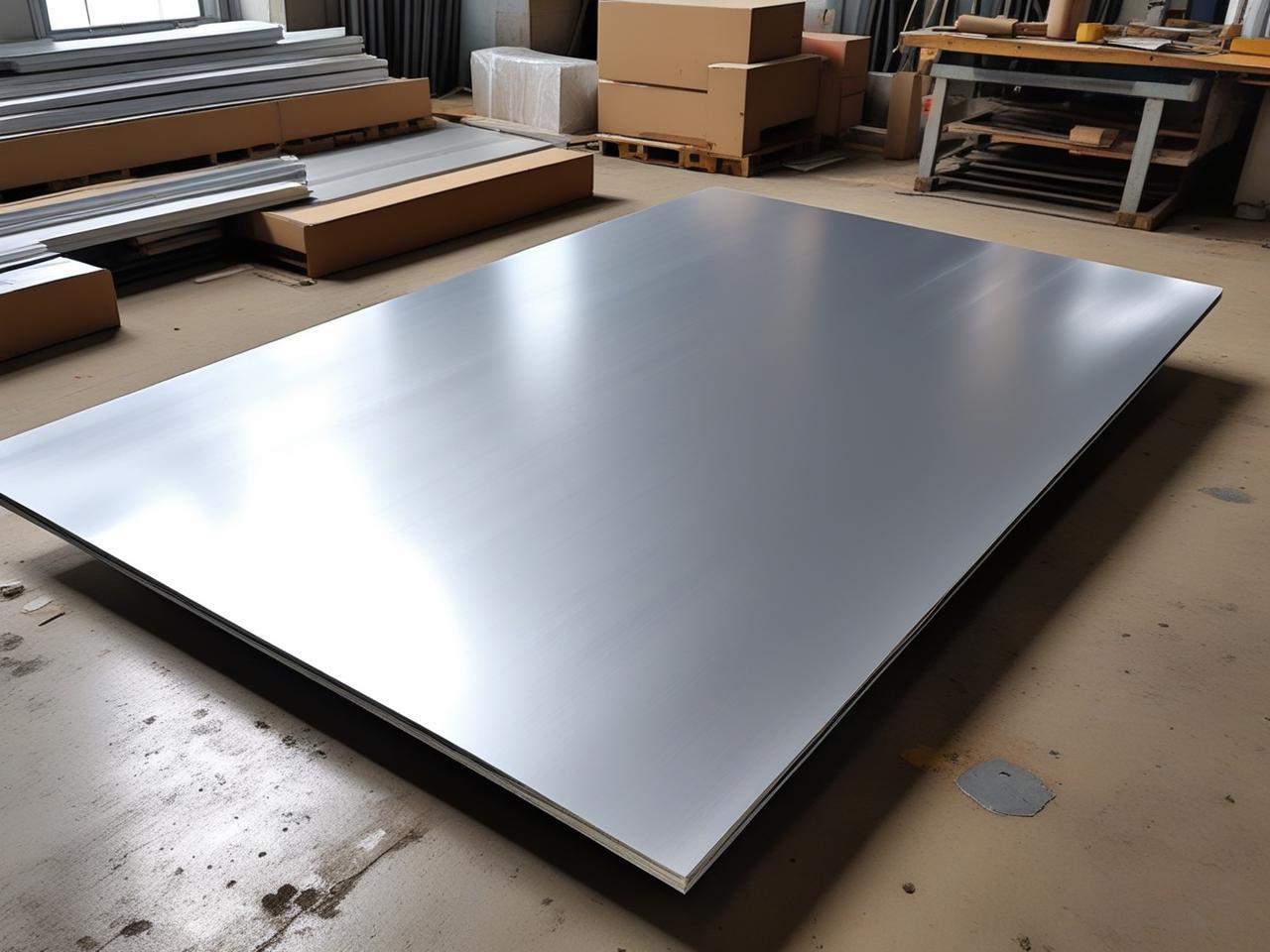
What deserves more vigilance is that beneath the “apparent prosperity” of inventory data, Western buyers are facing a severe predicament of “shortage of available inventory”. According to statistics, as of the end of January 2026, 58% of the registered inventory at the LME consisted of Russian aluminum products. In terms of geopolitical sanctions, the United States and the United Kingdom officially banned the import of Russian aluminum in 2024, and the European Union has also clarified its sanctions timeline – implementing transitional restrictions on Russian aluminum from February 26, 2026, and fully banning its import from December 31, 2026. This means that although a large amount of Russian aluminum inventory remains within the LME registration system, it has been excluded from the procurement scope of Western buyers, and the actual available non-Russian aluminum inventory is far lower than the apparent figure of 583,000 tons.
In fact, the current tight balance in the global aluminum market is the result of the overlapping of three factors: supply-side constraints, demand-side recovery, and geopolitical sanctions. On the supply side, the Middle East, as the core region of global aluminum production capacity (contributing about 8% of global output), has recently experienced geopolitical conflicts, leading to key smelters such as Qatalum and Bahrain Aluminium announcing force majeure, further impacting global supply. On the demand side, the rapid development of emerging industries such as new energy vehicles, photovoltaic energy storage, and humanoid robots continues to drive demand for high-end aluminum materials. Coupled with the recovery of traditional manufacturing industries, this supports the steady growth of aluminum consumption. The restructuring of trade flows brought about by geopolitical sanctions has further exacerbated the already tight inventory situation, pushing the spread of LME spot aluminum contracts against benchmark contracts from backwardation to contango, highlighting the urgency of near-month demand.
Market analysis suggests that in the short term, the continuous outflow from Port Klang and the shortage of available stocks in the West will continue to support high volatility in aluminum prices, and the tension in the spot market is unlikely to ease quickly. In the long term, with the EU’s comprehensive embargo on Russian aluminum taking effect, global aluminum trade flows will face restructuring. The release rate of non-Russian aluminum production capacity and the growth pace of downstream demand will become core variables determining the trend of aluminum prices.
Post time: Mar-13-2026